
 Whisky Glasses
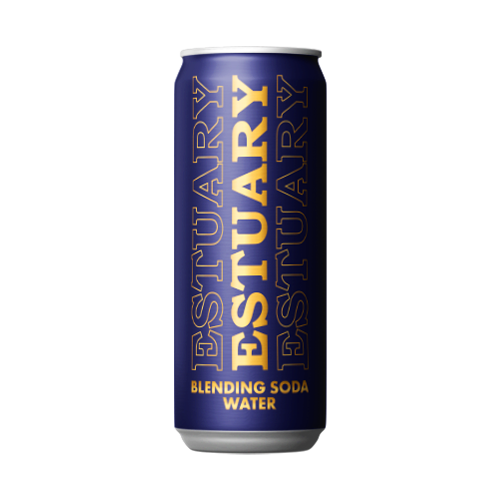 Soda Water
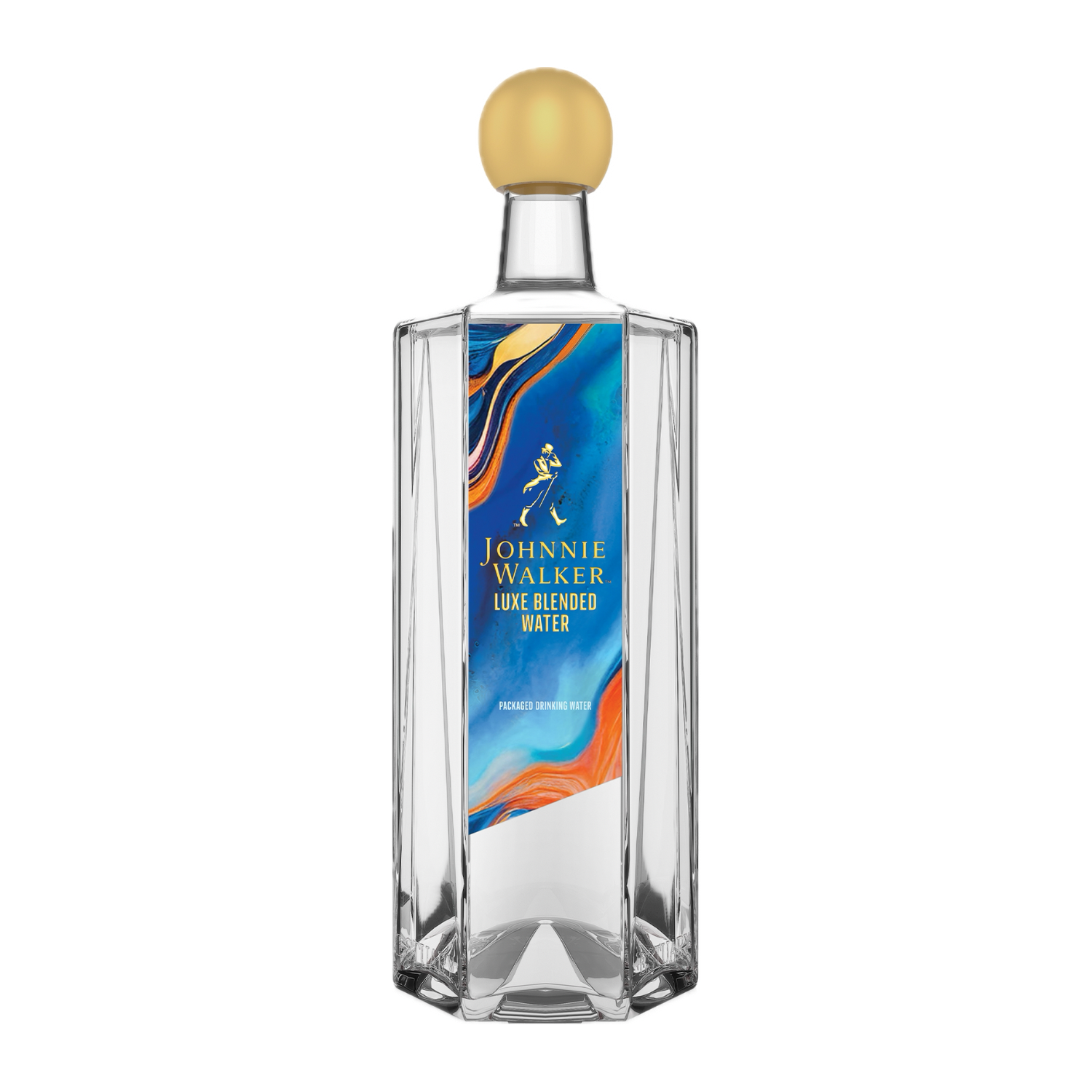 Diageo Brands



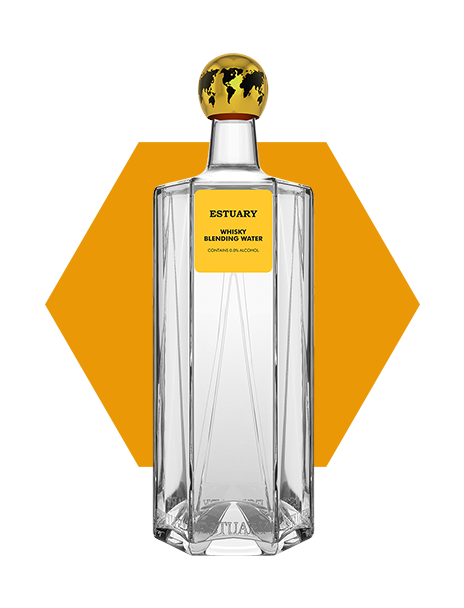
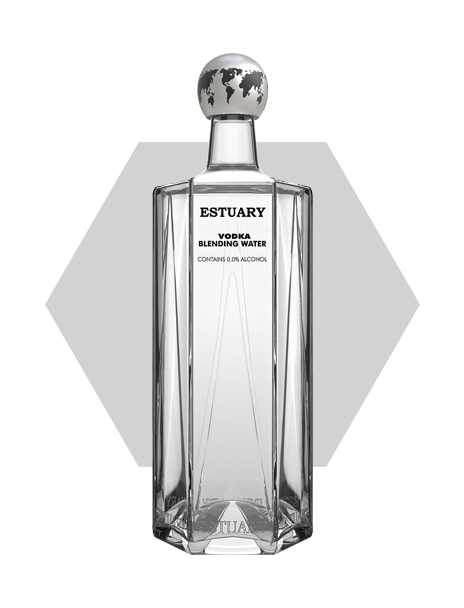
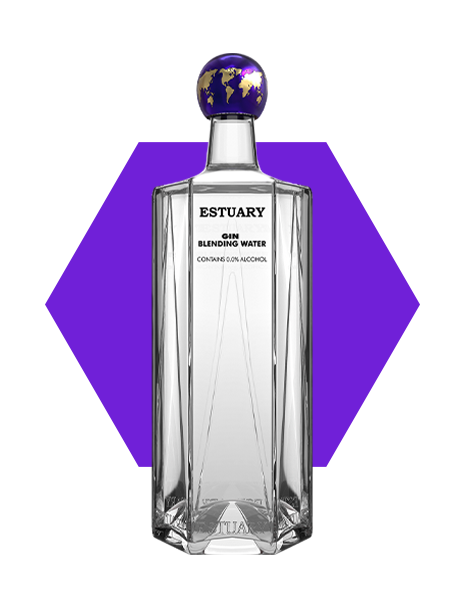
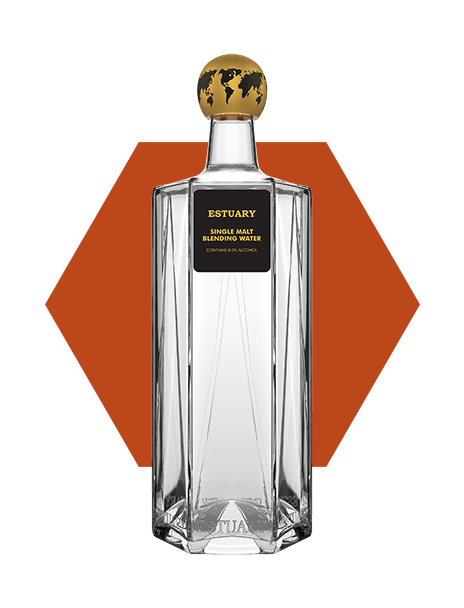
 Blending Water

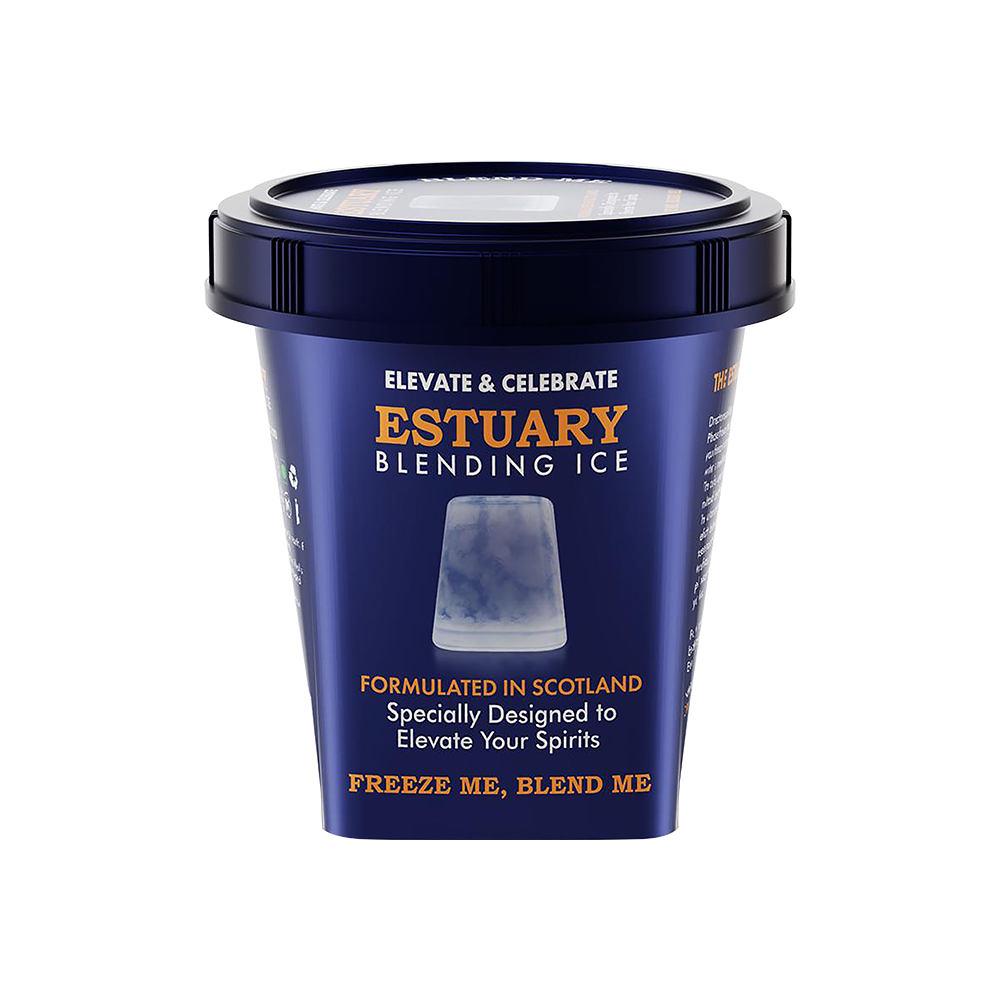 Blending Ice
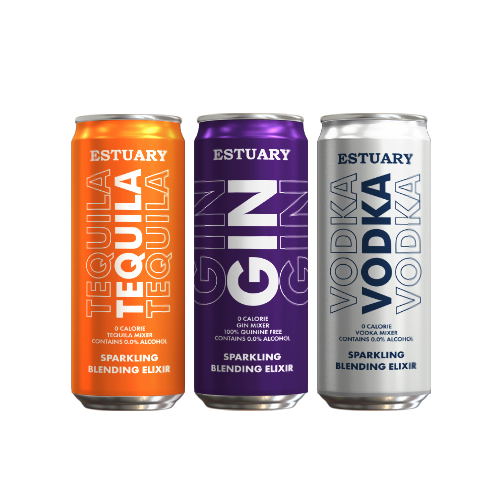 Sparkling
 Gifting

 Super Saver Packs
 View All

Table of Contents
The Overlooked Variable in Mixology: Water Quality and Mixer Chemistry.
Understanding Dilution Science: What Water Actually Does to a Distilled Beverage.
Botanical Spirit Pairing Guide: Matching Mixer Chemistry to Spirit Style
The Role of Carbonation: How Bubble Structure Affects Flavour Delivery
Tonic Water for Botanical Spirits: A Study in Bitter Balance
Estuary and Aquifer Waters: Why Source Geology Matters for Blending
Pairing Principles in Practice: A Framework for Beverage Professionals
How to Pair Water & Mixers with Aged Spirits: A Botanical and Blending Science Guide
Understanding the chemistry of dilution, carbonation, and mineral balance — because what accompanies a spirit in the glass is as scientifically significant as what goes into the bottle.

The Overlooked Variable in Mixology: Water Quality and Mixer Chemistry.
Professional mixologists and master blenders have long understood something that casual enthusiasts often overlook: the liquid added to a distilled spirit is not neutral. Whether still water, carbonated soda, or botanical tonic, every mixer carries its own mineral profile, pH level, and gas content — variables that interact with the volatile aromatic compounds in the spirit and alter the sensory experience in measurable, reproducible ways.
This article focuses on the science of those interactions. Rather than recommending brands or encouraging consumption, we examine the underlying chemistry of beverage pairing — so that those who work in hospitality, product development, or beverage education can apply these principles with precision.
Understanding Dilution Science: What Water Actually Does to a Distilled Beverage.
When water is introduced to a high-ABV distilled spirit, it does not simply reduce alcoholic strength. At the molecular level, ethanol and water form hydrogen-bonded clusters. Aromatic compounds — particularly phenols, esters, and aldehydes — are distributed unevenly within these clusters. Adding water disrupts the ethanol network, redistributing volatile molecules toward the liquid surface, where they become more accessible to olfactory perception.
This is why a measured addition of water often intensifies the aroma of an aged spirit rather than diminishing it. The effect is not uniform across all water types. Research from Linnaeus University demonstrated that mineral content, particularly the calcium-to-magnesium ion ratio, influences which compounds migrate and how rapidly. Low-mineral, soft water produces a cleaner aromatic release; hard water with high total dissolved solids (TDS) can precipitate tannins and introduce textural interference on the palate.
For premium blending applications, the ideal water profile is typically low TDS (under 50 mg/L), near-neutral pH (6.8–7.2), and minimal dissolved oxygen — conditions most closely replicated by natural aquifer and estuary-source waters, which have long been used in professional distillery blending rooms.
Botanical Spirit Pairing Guide: Matching Mixer Chemistry to Spirit Style
Different categories of distilled beverages have distinct chemical architectures, and each responds differently to various mixer types. The following pairing principles are based on flavour chemistry rather than preference:
|
Spirit category |
Ideal mixer type |
Science-based rationale |
|
Aged grain spirit (blended) |
Still, low-TDS blending water or lightly carbonated soda |
Preserves grain ester balance; high carbonation masks cereal mid-palate notes |
|
Single malt aged spirit |
Still, soft mineral water (estuary or Highland-profile) |
Mirrors distillery water chemistry; releases phenolic and floral volatile compounds |
|
Botanical distillate (gin style) |
Quinine-balanced tonic water |
Bitter quinine creates counterpoint to juniper's alpha-pinene; enhances citrus-ester brightness |
|
Agave-based distillate (tequila/mezcal style) |
Citrus-forward sparkling water or grapefruit-profile mixer |
Citric acid bridges herbaceous pyrazine notes with fruit acidity; lifts vegetal mid-palate |
|
Column-distilled grain spirit (vodka style) |
Ultra-neutral still or sparkling water |
Any mineral content is perceptible due to spirit's flavour neutrality; lowest-TDS water optimal |
|
American oak-aged spirit (bourbon style) |
Neutral soda water or light carbonation |
Carbonation lifts vanilla lactone and caramel aldehyde notes without competing with oak tannins |
The Role of Carbonation: How Bubble Structure Affects Flavour Delivery
Carbonation in mixer water is not monolithic — the size of CO₂ bubbles, the pressure at which carbonation is introduced, and the rate of gas dissipation all influence flavour perception. Fine-bubble carbonation (produced at lower pressure over longer saturation periods) provides a smoother mouthfeel and slower aromatic release, making it better suited to complexity-forward beverages. Aggressive, large-bubble carbonation delivers a sharper, more immediate sensory impact — well-suited for refreshment-driven serves but counterproductive when the objective is to showcase a spirit's tertiary aromatic development.
Premium soda waters and purpose-designed spirit mixers are increasingly engineered with specific bubble profiles. For a cocktail base or Highball-style serve involving aged grain spirits, a calibrated carbonation level — not the maximum the water can hold — is the technical standard among professional bartenders.
Tonic Water for Botanical Spirits: A Study in Bitter Balance
Tonic water occupies a unique position in the mixer category because its defining characteristic — quinine bitterness — is both its principal flavour contribution and its primary point of incompatibility risk. The quinine concentration in commercially available tonic waters varies considerably, from approximately 40 mg/L in lighter formulations to over 100 mg/L in more assertive styles.
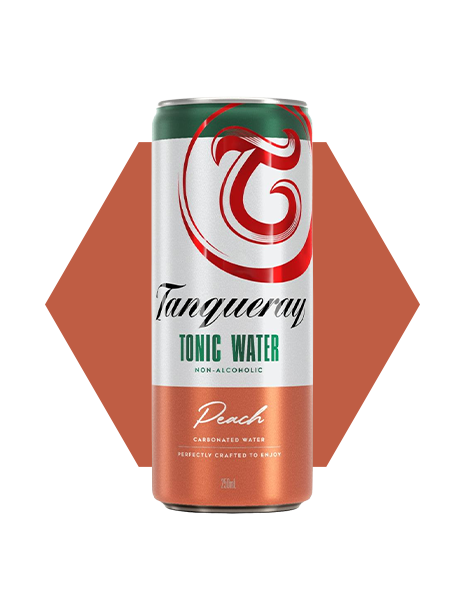
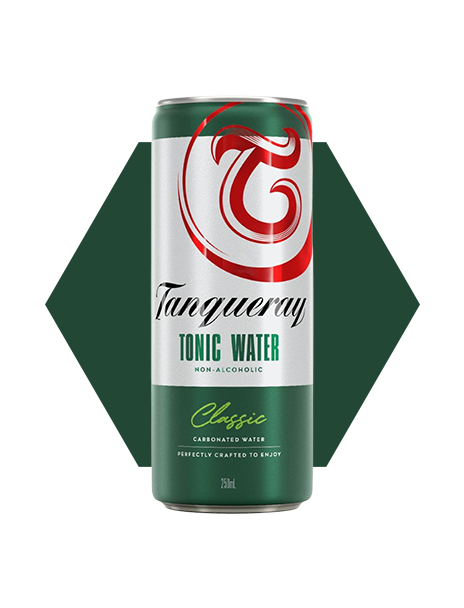
For botanical distillates with a juniper-forward aromatic structure, higher-quinine tonic creates a classic bitter counterpoint that resolves cleanly when the spirit's citrus esters are prominent. For more delicate botanical profiles — florals, teas, meadowsweet — lower-quinine tonic water is the technically correct pairing, as heavy bitterness suppresses rather than complements the lighter volatile compounds. This principle explains why specialist tonic waters calibrated for specific botanical profiles have become standard in premium bar programmes globally.
Estuary and Aquifer Waters: Why Source Geology Matters for Blending
The concept of terroir — the influence of geographical environment on a product's character — is well established in wine but increasingly relevant in the blending water category. Estuary-sourced waters, where freshwater and tidal influence meet, typically have a distinctive mineral signature: elevated silica, low calcium hardness, and a soft overall profile that professional blenders associate with clarity and aromatic transparency in the finished pour.
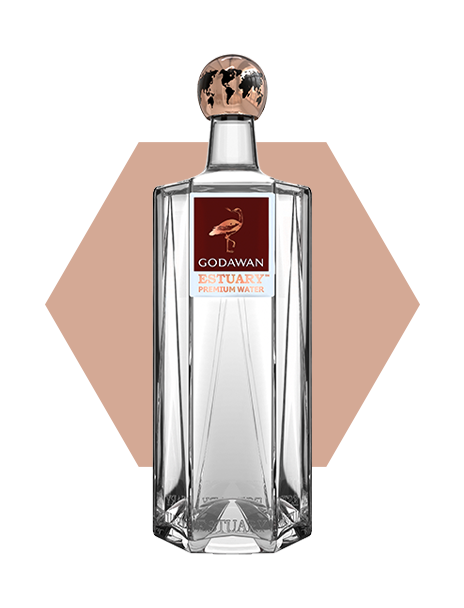
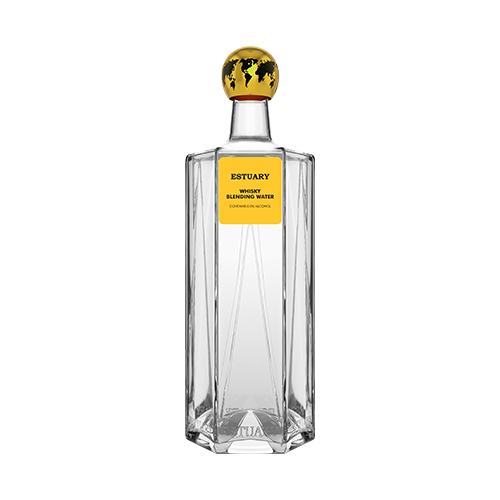
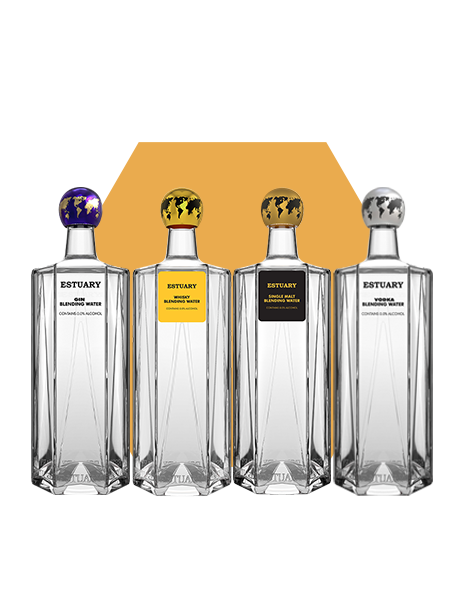
This is not a marketing construct. Distilleries in Scotland's Highland and Speyside regions have historically located themselves adjacent to specific water sources precisely because those sources produce a predictable mineral environment for dilution. Premium blending waters that replicate or source from comparable geological environments — including estuary-profile waters produced in India for the domestic single malt market — are applying the same principle at the consumer level. Godawan Estuary Premium Blending Water, for instance, is sourced and processed to reflect these low-TDS, silica-forward characteristics, making it technically aligned with the water profiles used in professional blending rooms for Indian single malts.
Pairing Principles in Practice: A Framework for Beverage Professionals
For those developing beverage menus or consulting on spirit serves, the following three-variable framework provides a consistent basis for mixer selection. First, assess the spirit's dominant aromatic family — phenolic and smoky expressions benefit from soft, still water; fruity and floral profiles benefit from light carbonation; herbaceous and vegetal profiles benefit from citrus-forward mixers. Second, evaluate the spirit's ABV at serve — high-strength expressions above 46% ABV warrant dilution with still water before any mixer is introduced. Third, consider the serve temperature — cold temperatures suppress volatile aromatic release, which means a spirit served over ice requires a mixer with greater aromatic lift to compensate.
Applied consistently, these principles produce more coherent, technically grounded serves — and give beverage professionals a science-based vocabulary for communicating pairing decisions to discerning guests.


